Define the writing job first
An AI writing tool can support brainstorming, first drafts, rewriting, or editing. Those are different jobs. A tool that creates many ideas quickly may offer less control over terminology or long-form structure. Start by naming the task you want to improve and the audience who will read the result.
Prepare a brief with a purpose, audience, tone, required points, and prohibited claims. Use the same brief across your shortlist. Include an example of the voice you want, but only use material you have the right to submit. Your comparison should reflect ordinary work, not an unusually easy prompt chosen to make a tool look impressive.
Measure editing effort, not just fluency
Smooth sentences can hide weak reasoning, repetition, or invented details. Read each output for relevance, structure, completeness, and evidence. Mark unsupported factual claims and check them against reliable sources. Treat citations as leads to verify; a formatted reference is not evidence that the source exists or supports the statement.
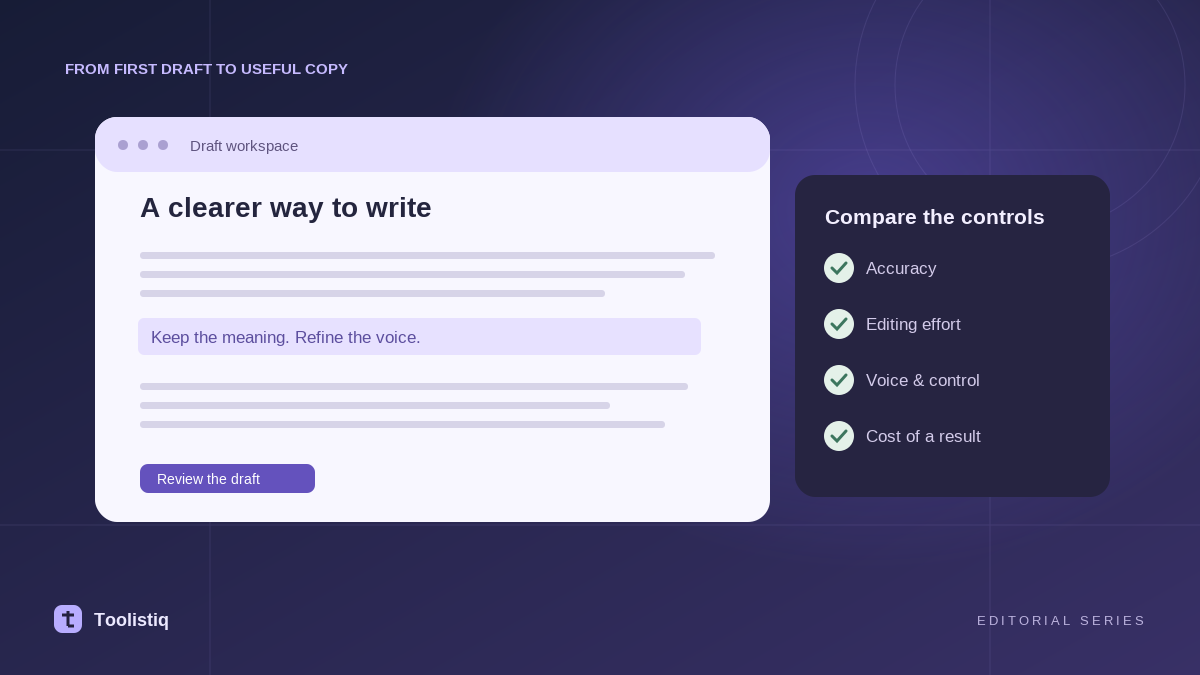
Time the process from brief to publishable draft. Count the revisions needed to remove filler, correct facts, restore your brand voice, and clarify the argument. Compare the result with a draft produced through your current process. The meaningful question is whether the tool improves the complete workflow, including review.
Look for useful controls
Test whether you can revise a section without rewriting the entire document, preserve approved language, specify terminology, and change tone predictably. For longer work, assess outline handling and whether the tool stays consistent across sections. A convenient editor can matter more than another generation preset.
If several people contribute, check version history, permissions, comments, and export options. Inspect what happens when you move the draft into your publishing system: formatting, headings, links, and tables should remain usable. Test the integration you need instead of assuming that a listed integration covers your exact workflow.
Separate writing support from SEO promises
If your goal includes search visibility, compare the SEO workflow separately. Ask whether suggestions help you address a reader’s question, organize content clearly, and identify topics worth researching. Avoid treating a score or recommended word count as a guarantee of rankings. Useful content needs accurate information and a purpose beyond repeating keywords.
A writing tool and an SEO research tool can be complementary. Decide whether you need both, a combined product, or neither for the pilot. Do not pay for overlapping features unless the combined workflow saves enough time or improves the final result.
Check rights, privacy, and limits before paying
Review the provider’s terms for ownership and permitted commercial use of generated material. Examine how it handles submitted documents, retention, and model training. If you work with sensitive information, involve the person responsible for data protection before connecting shared drives or customer systems.
Check credits, word or generation limits, seats, and access to the models or editing features used in your trial. “Unlimited” may still have conditions or fair-use limits. Verify cancellation and billing terms directly. Create a shortlist using Toolistiq’s writing category, then confirm the details on each provider’s website before purchasing.
Use a simple decision sheet
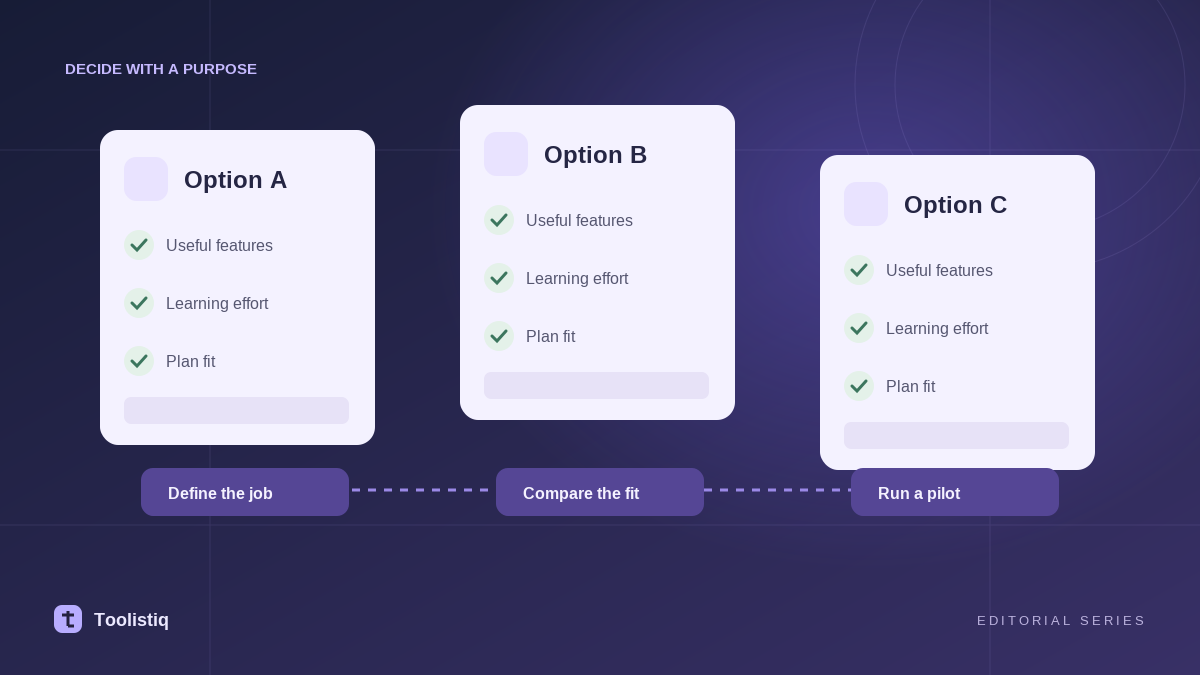
Record the task, two sample briefs, editing time, factual errors, useful controls, export quality, and total expected cost for each option. Keep a short note explaining any trade-off you accept. Choose the tool that consistently produces usable work within your budget, rather than the one with the most impressive single output.
Keep human review in the process. A tool can help produce a draft, but your business remains responsible for what it publishes. Revisit the decision after a few weeks of ordinary use, when the real benefits and friction are easier to see.